

Cuban Cigar Packaging: A Complete Guide
The packaging of Cuban cigars is far more than mere presentation. From individual cigar treatments to box construction, and from date codes to warranty seals, the way a Habano is packaged carries layers of information about authenticity, origin, and production date. Understanding these elements is essential for any serious enthusiast or collector.
Individual Cigar Presentation
Cuban cigars reach smokers in a variety of individual presentations, each serving a different purpose:
- Banded (Anillas): Cigar bands appeared in Cuba around the 1870s. Since mid-2006, every Cuban cigar carries a band. Before that date, cigars in slide-lid boxes were sometimes sold without bands. Special and limited releases frequently carry a second band, and from 2016 onward, foot bands have become increasingly common on premium and special-edition vitolas. Modern band designs incorporate security features such as holograms, microprinting, serial numbers, and UV-fluorescent elements.
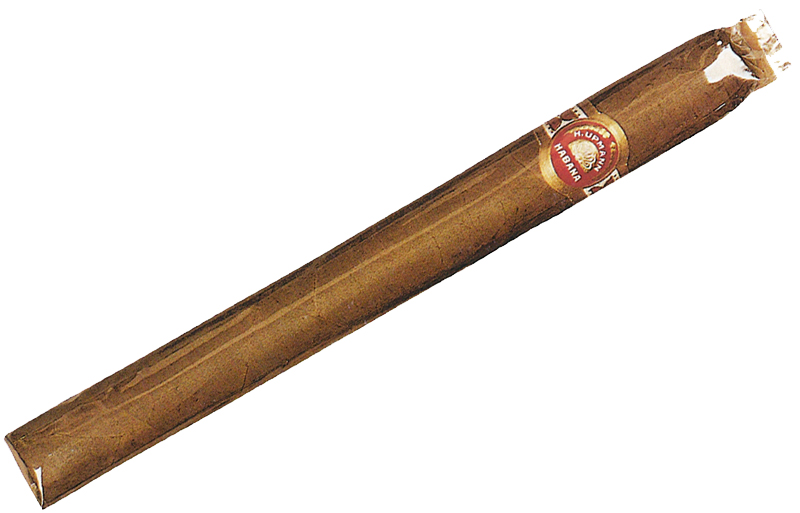
- Cellophane Sleeved: Cellophane wrapping began in Cuba in the mid-1930s. Until around 1992, most Cuban cigars -- including Cohibas -- were offered in cellophane. Since then, its use has been confined to machine-made production, and today it is found only on ICT-produced Puritos.
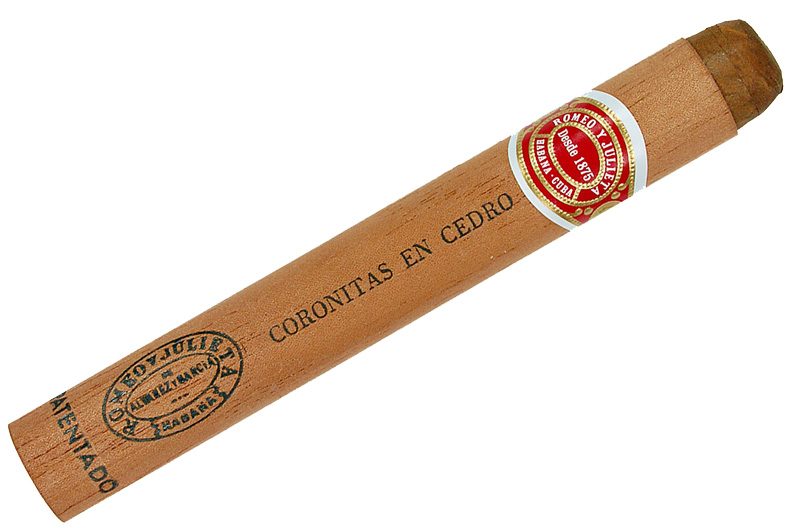
- Cedar Wrapped: A thin sheet of Spanish cedar protects certain cigars from physical damage, moderates humidity, and imparts a subtle cedar aroma. Because only select vitolas receive this treatment, it also serves as a mark of distinction.
- Tissue Wrapped: Currently exclusive to the Fonseca brand. The wrapping provides minimal protection and must be removed before smoking.
- Aluminium Foil Wrapped: True aluminium foil wrapping dates to the 1920s, though cost led to its replacement by cellophane for most cigars by the 1940s. Today's foil is actually an aluminium paper foil in either natural silver or gold tones, sometimes embossed with decorative patterns.
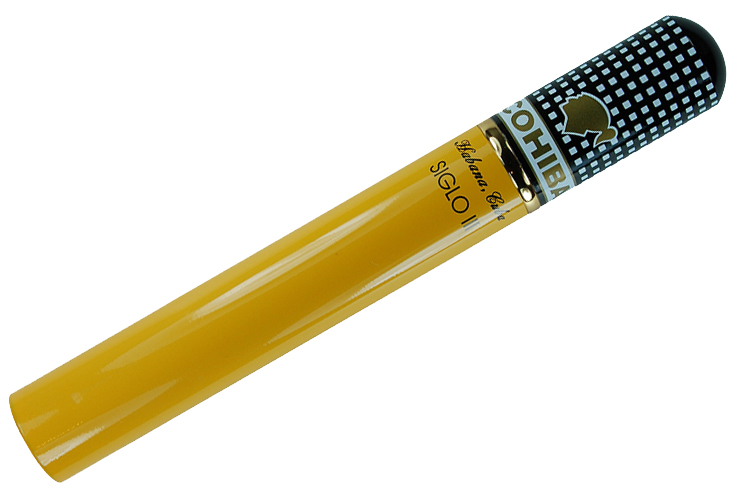
- Aluminium Tubes: First appearing in December 1933 with the H. Upmann brand, tubes vanished during wartime aluminium shortages in the late 1930s but returned by the 1950s. Modern tubes feature a bottom screw-cap with a thin cedar lining. Since 2006, Habanos S.A. has expanded the tubed range with both updated standard tubes and a new premium twin-tube construction in multiple colors.
- Glass Tubes: Introduced around the mid-1940s and common through the 1960s, glass tubes with plastic push-in caps were phased out by the mid-1970s.
- Culebras: Three cigars twisted together in a tight spiral, named after the Spanish word for snakes. Modern Culebras are handmade and packed individually in small slide-lid boxes.
Box and Packaging Types
Dress Box
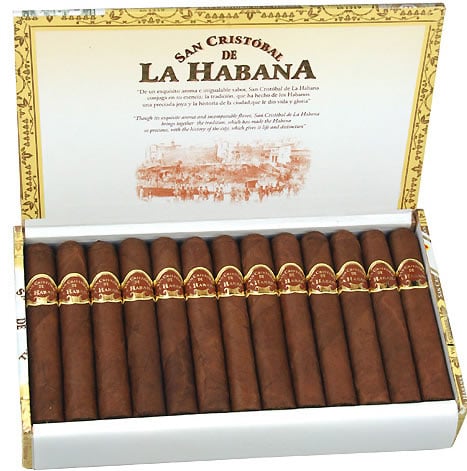
The most prevalent format for Cuban cigars, typically holding 25 box-pressed cigars. Also called a standard box, labelled box, or semi-plain box. These boxes are "dressed" with branded paper labels, trimmings, and artwork. Until the mid-1970s, construction was solid cedar; afterward, cedar-veneered plywood became standard. The paper dressing forms the hinge, and the lid is secured with either a nail or a brooch clasp.
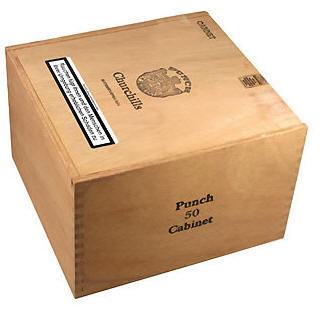
Slide-Lid Box (Cabinet)
A timber box commonly referred to as a "Cab," usually containing 25 or 50 round cigars bundled together and tied with a silk ribbon. Around 1997, construction shifted from solid cedar to cedar-veneered plywood. Available in both varnished and unvarnished finishes. Flat slide-lid variants hold 10 or 20 cigars arranged in layers.
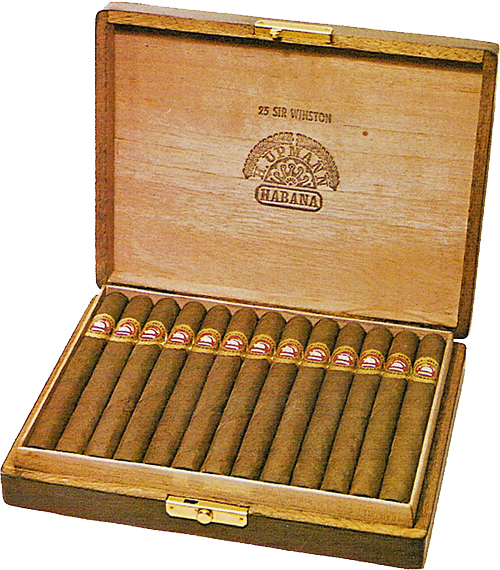
Semi Boite Nature Box
A timber box with a flat hinged lid (no sealing collar), fitted with metal hinges and a brooch clasp. Holds 10, 24, 25, or 50 round cigars in layers. The Trinidad brand uses distinctive configurations of 12 and 24 cigars, arranged in layers of 6 with a silk ribbon for easy removal.
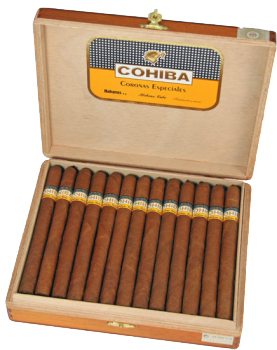
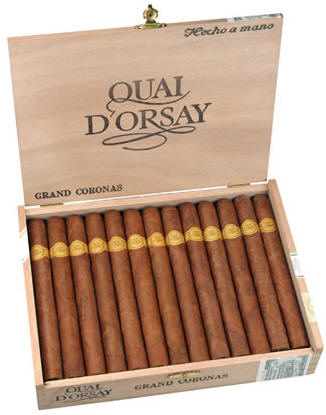
Boite Nature Box
A cedar box featuring a formed metal-hinged lid with projecting sealing collars and a brooch clasp. Typically varnished, these are reserved for higher-quality cigars. Select special editions use an opaque black lacquered finish.
Cabinet
An elevated version of the Boite Nature, distinguished by cedar sealing collars, cast metal hinges, and either a brooch clasp or slide lock. Finished with either varnish or high-gloss lacquer.
898 Box
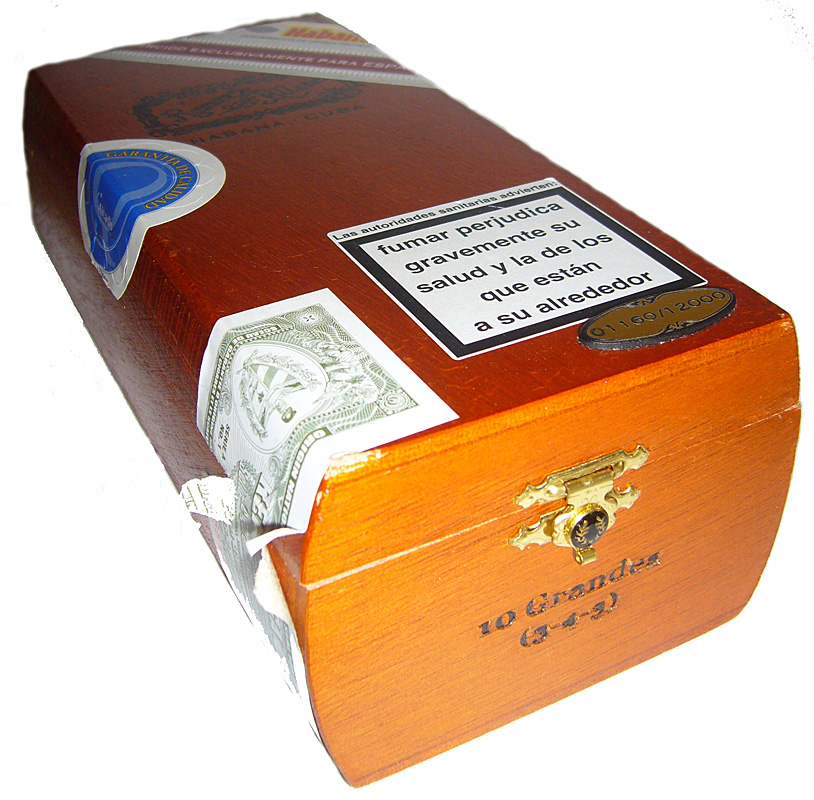
A cedar box with distinctively curved longer sides, normally containing 25 round cigars in three layers of 8, 9, and 8. This arrangement creates an attractive layered display without box-pressing the cigars. Smaller 10-cigar versions use a 3-4-3 configuration.
Other Formats
- Humidors: Special-occasion boxes, usually numbered and limited in quantity, often containing exclusive vitolas not available in regular production.
- Ceramic Jars: First produced in the 1920s, common in the 1950s and 1960s, phased out in the 1980s, and reintroduced in 1996. Typically hold 25 cigars with a push-on lid.
- Glass Jars: Introduced around the 1910s, popular through the 1960s, discontinued by the mid-1970s, and revived in 2009. Clear glass construction with clip-on lids.
- Cardboard Packs (Petacas): Pocket-sized packs with slide or flip-top openings, holding three or five cigars. Originally used before the Revolution, phased out in the 1970s, and reintroduced in the early 2000s.
- Metal Tins: Circular or square with push-on lids. Discontinued in the mid-1960s but brought back in 2013 for the redesigned Vegueros line.
- Travel Humidors: Introduced in 2006 alongside the Duty Free and Travel Retail series. Available in leather, timber, and plastic formats, typically containing ten regular production cigars.
Date Codes on Cuban Cigar Boxes
Since 1985, Cuban cigar boxes carry coded date stamps, ink-printed on the bottom of the box or its outer cardboard packaging. Prior to 1985, no official dating system existed. Three systems have been used:
NIVELACUSO System (1985-1998)
Each of ten letters was assigned a digit: N=1, I=2, V=3, E=4, L=5, A=6, C=7, U=8, S=9, O=0. The code comprised 3 or 4 characters representing the month (1-12) followed by the two-digit year. For example, January 1985 was encoded as NUL; December 1998 as NISU.
CODIGUNETA System (1999 -- Transitional)
A short-lived replacement assigned new letters to digits: C=9, O=8, D=7, I=6, G=5, U=0, N=1, E=2, T=3, A=4. This system was used throughout 1999, though approximately half the factories switched to an alternate fixed code from June onward, creating two parallel encoding schemes for that year.
Current System (2000-Present)
The current approach uses the first three letters of each month in Spanish (ENE for Enero, FEB for Febrero, MAR for Marzo, and so on) followed by the two-digit year. January 2000 is ENE00; December 2005 is DIC05. This is the most straightforward system yet employed.
Factory Codes
Factory codes have appeared on Cuban cigar boxes since 1985 for quality control purposes, since any given vitola might be produced at several different factories in a given year. The codes are periodically changed to prevent buyers from demanding or rejecting boxes from specific factories, which would create inventory problems.
Four coding systems have been used since 1985. The first (1985-1998) was simple and often transparent -- for example, BM for the Briones Montoto (Romeo y Julieta) factory, FPG for the Francisco Perez German (Partagas) factory. The second (1998-1999) and third (2000-2003) systems were progressively more opaque. The fourth system, introduced in 2003 and still in use, generates unique three-letter codes that can change monthly, making identification virtually impossible without access to the code generator.
Warranty Seals and Authentication
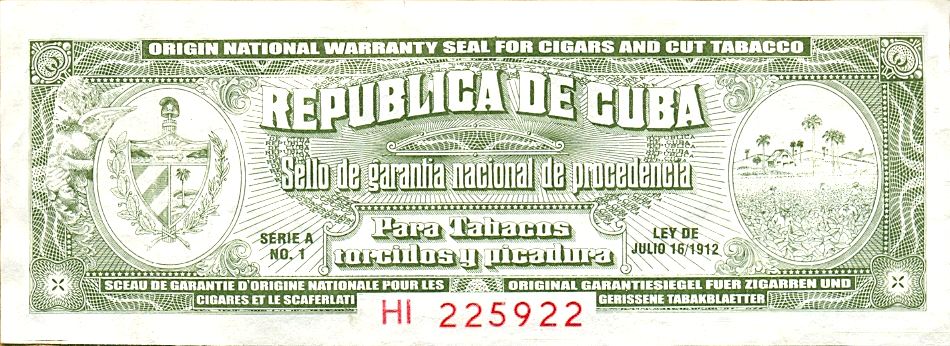
The Cuban cigar warranty seal has a rich history stretching back to 1889, when Spain's Royal Decree introduced the Union Seal (Union de Fabricantes de Tabaco). Key milestones include:
- 1889-1898: Original Union Seal featuring Christopher Columbus and the Spanish-Havana coat of arms.
- 1898-1902: Provisional seal under United States administration.
- 1902-1912: First independent Cuban warranty seal, replacing the Spanish coat of arms with the Republic of Cuba emblem.
- 1912-1931: Simplified design featuring the Cuban coat of arms and a tobacco field scene.
- 1931-1961: Modified version with perforated stamp-like edges, printed in four languages with dark green ink.
- 1962-1999: Similar design without perforations, printed in lighter green on white paper.
- 1999-2009: Major redesign incorporating self-adhesive paper, microprinting, UV-fluorescent hidden shield, and unique serial numbers in red ink.
- 2009-Present: Enhanced version featuring a barcode, holographic strip, and additional security features for improved counterfeit resistance.
Box Seals and Stamps
In addition to warranty seals, modern Cuban cigar boxes carry Habanos S.A. box seals (introduced in 1994), "Hecho en Cuba" country-of-origin stamps, and production method markings. Boxes of premium handmade long-filler cigars display the inscription "Totalmente a mano" (totally by hand) since 1989. Short-filler handmade cigars carry an additional "TC" marking below this inscription since approximately 2002. Limited Edition and Regional Edition boxes receive a second colored seal beneath the standard white Habanos seal.
Since late 2010, an EAN-13 European standard product code has been added to the rear edge of dress boxes, distinct from the warranty seal's unique serial number.
Packaging Gallery
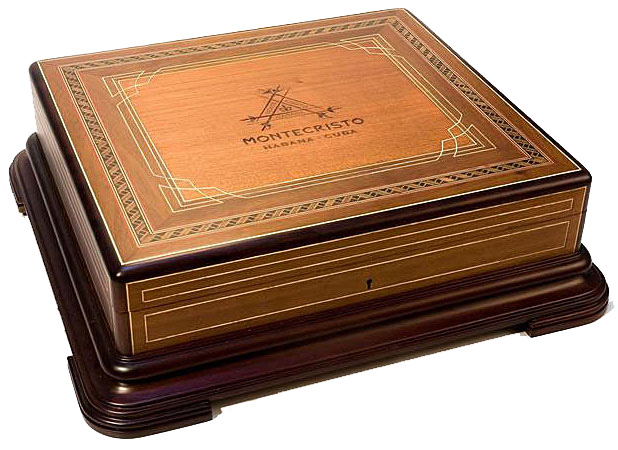
Commemorative cigar humidor
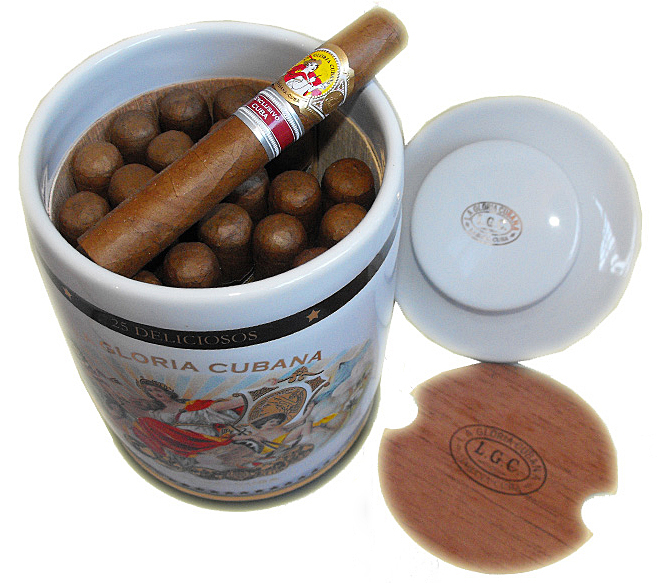
Ceramic cigar storage jar
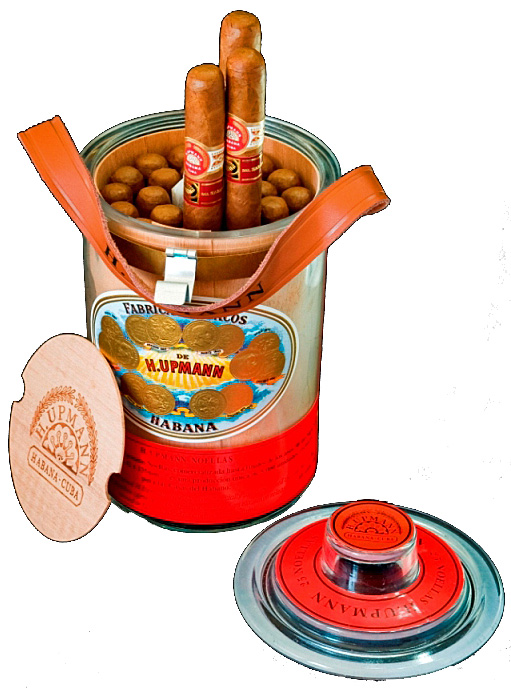
Glass cigar jar
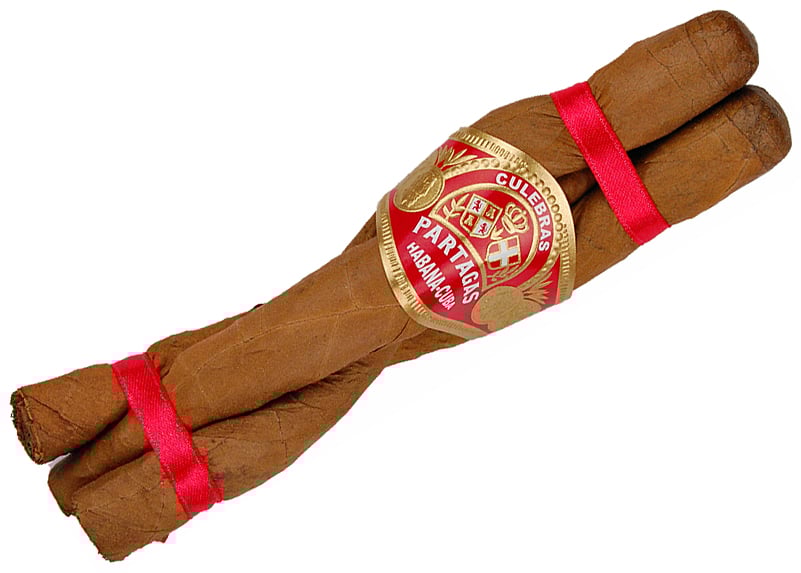
Culebras - three intertwined cigars
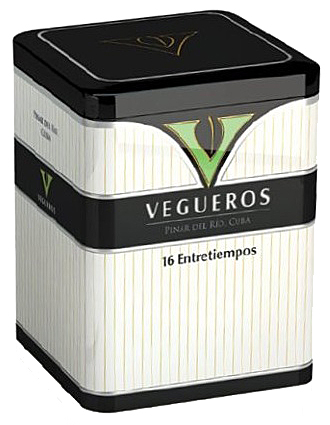
Metal cigar tin
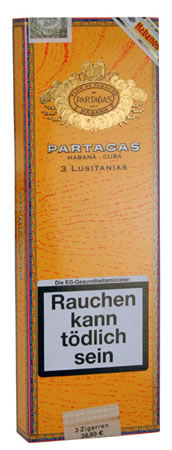
Cardboard cigar pack
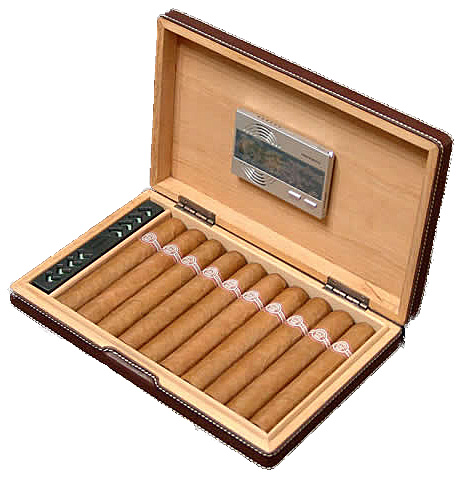
Travel humidor
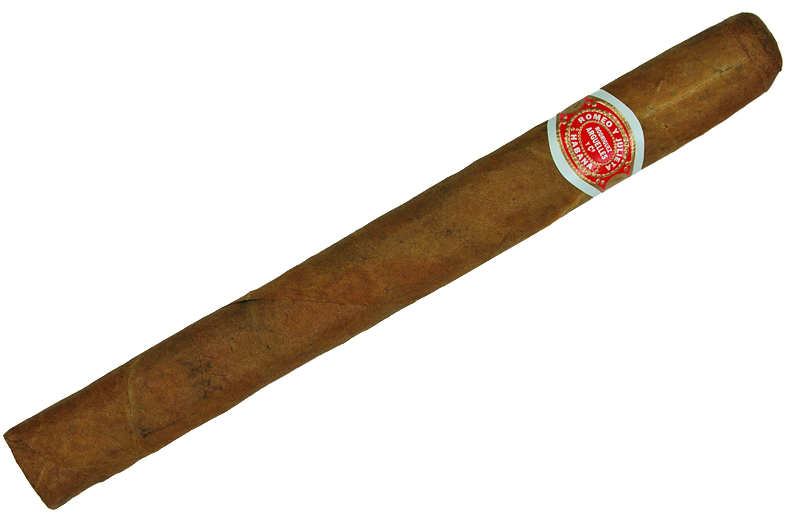
Plain unbanded cigar