

How to Smoke a Cigar — A Complete Beginner's Guide
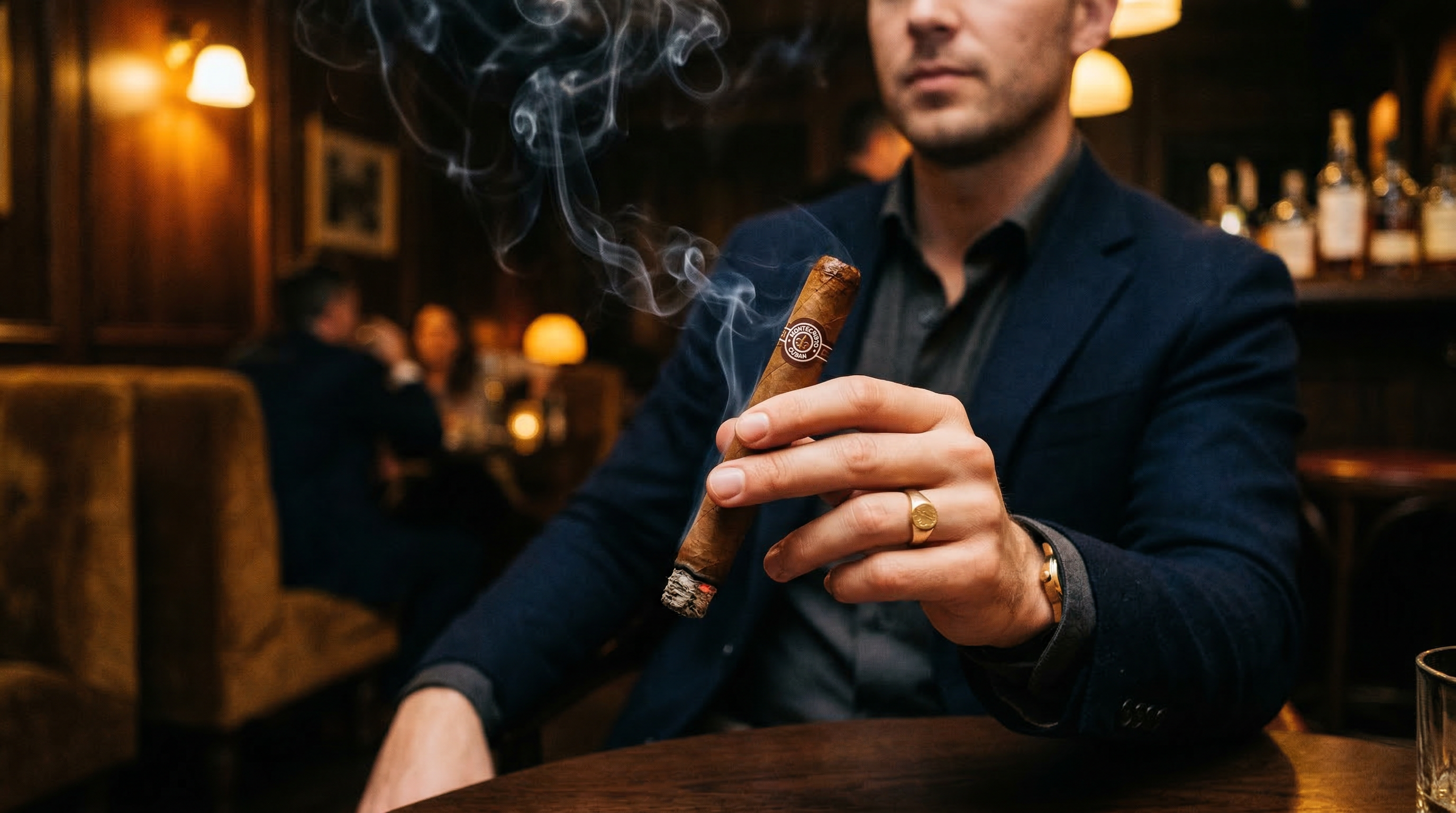
Smoking a cigar is a ritual — a deliberate act of slowing down and savoring something crafted by hand from the finest tobacco leaves on earth. Unlike cigarettes, cigars are not inhaled. They are tasted, appreciated, and enjoyed at a measured pace. Whether you are lighting your first Cuban cigar or refining your technique, this complete guide covers every step from selecting the right cigar to savoring the final draw.
Step 1: Selecting Your First Cigar
If you are new to cigars, start with a mild to medium-bodied cigar in a manageable size. A Petit Corona or Robusto is ideal — these formats deliver a full flavor experience in 30 to 50 minutes without overwhelming a beginner's palate. Excellent first Cuban cigars include:
- Hoyo de Monterrey Epicure No. 2 — Creamy, smooth, and approachable.
- Montecristo No. 4 — The world's best-selling Cuban cigar. Balanced with cedar and coffee notes.
- H. Upmann Half Corona — A short, mild smoke perfect for a first experience.
- Romeo y Julieta Short Churchill — Medium-bodied with a manageable 50-minute smoking time.
Avoid full-strength cigars like Bolivar or Partagas Serie D for your first smoke — these are best appreciated after you have developed your palate.
Step 2: Cutting Your Cigar
Most premium cigars come with a sealed cap (the closed end you put to your lips) that must be cut before smoking. The goal is to create a clean opening that allows a smooth, even draw without damaging the wrapper. There are three main cutting techniques:
Straight Cut (Guillotine)
The most common method. Using a sharp guillotine cutter, remove approximately 2–3mm from the cap — just enough to open the cigar without cutting into the body. A clean straight cut produces an even draw and is the easiest technique for beginners.
V-Cut (Wedge Cut)
A V-cutter carves a wedge-shaped notch into the cap, creating a focused channel for smoke. This method works beautifully with thicker ring gauge cigars and produces a concentrated, flavorful draw. It is also nearly impossible to cut too deeply with a V-cutter, making it a forgiving option for newcomers.
Punch Cut
A circular blade punches a small round hole in the cap. Punch cuts create a tight, concentrated draw with minimal risk of wrapper damage. They work best on larger ring gauge cigars (50+) and are less effective on figurado shapes like torpedoes, which have tapered caps.
Tip: Never bite, tear, or use a dull tool to cut your cigar. A jagged cut leads to unraveling and an unpleasant smoking experience.
Step 3: Lighting Your Cigar
Proper lighting is crucial for an even burn. Unlike cigarettes, cigars require patience during the lighting process.
Best Light Sources
- Butane torch lighter — The most popular choice. Produces a clean, odorless flame that will not affect the cigar's flavor. Single or double flame torches offer good control.
- Long cedar spill (cedar strip) — The traditional, purist method. Light a thin strip of Spanish cedar and use the flame to toast the cigar. Adds a subtle cedar flavor to the first puffs.
- Long wooden matches — Allow the sulfur to burn off completely before bringing the match to your cigar. Regular short matches are too small.
Avoid: Zippo lighters, candles, or any fluid-fuel lighter — their chemical fumes will taint the tobacco's delicate flavors.
The Lighting Technique
- Toast the foot — Hold the cigar at a 45-degree angle and bring the flame to the foot (open end) without touching it. Rotate the cigar slowly, toasting the entire surface evenly until it begins to glow orange.
- Take the first puffs — Place the cigar in your mouth and draw gently while continuing to apply the flame near the foot. Rotate the cigar as you puff.
- Check the burn — Blow gently on the foot to see the cherry. If any spots are unlit, touch them up with the flame.
The entire lighting process should take 30 to 60 seconds. Rushing leads to an uneven burn that can persist throughout the smoke.
Step 4: Smoking Technique
Do Not Inhale
This is the most important rule for new cigar smokers. Cigar smoke is not meant to be inhaled into your lungs. Instead, draw the smoke into your mouth, hold it briefly to taste the flavors on your palate, and then gently exhale. Think of it like tasting wine — you are savoring, not consuming.
Pacing
Take a puff every 30 to 60 seconds. Smoking too quickly overheats the tobacco, producing bitter, harsh flavors and causing the cigar to burn hot. Smoking too slowly can let the cigar go out, requiring a relight. Find a relaxed, comfortable rhythm — roughly one puff per minute is a good baseline.
Retrohale
Once you are comfortable with basic technique, try retrohaling — gently pushing a portion of the smoke out through your nose after drawing it into your mouth. This engages your olfactory senses and reveals flavors (spice, pepper, sweetness) that are difficult to detect through the mouth alone. Retrohale on perhaps one out of every four or five puffs. It should never be uncomfortable — if it burns, you are pushing too much smoke.
Step 5: Ashing
Unlike cigarettes, you should not constantly tap the ash off a cigar. A long ash actually insulates the burning end and helps the cigar burn cooler and more evenly. Allow the ash to grow to about 1 to 1.5 inches before gently rolling it off in an ashtray. A firm, white-gray ash is a sign of quality tobacco and proper combustion.
Step 6: Pairing Suggestions
The right beverage can elevate a cigar from excellent to transcendent. Classic pairings include:
- Coffee — Espresso or a rich dark roast complements the earthy, roasted notes in most Cuban cigars. The ideal pairing for morning or afternoon smoking.
- Rum — Cuban rum is the natural companion to Cuban tobacco. Aged rums (7+ years) with caramel and vanilla notes pair beautifully with medium-bodied cigars.
- Whiskey — Single malt Scotch, bourbon, or rye whiskey all pair wonderfully, depending on the cigar's strength. Match intensity: light cigar with delicate whiskey, full cigar with bold bourbon.
- Port and Cognac — Sweet, rich, and warming — ideal with full-bodied cigars after dinner.
- Water — Sparkling or still water cleanses the palate between puffs, allowing you to taste the cigar's full range of flavors. Never underestimate this simple pairing.
When to Stop Smoking
There is no rule about how far down to smoke a cigar. Most smokers enjoy their cigar until the final third becomes too hot or the flavors turn bitter — typically when about 1 to 2 inches remain. When you are finished, simply set the cigar in the ashtray and let it go out naturally. Never crush or stub out a cigar — this releases unpleasant odors and is considered poor etiquette.
Smoking a cigar is one of life's great pleasures. Take your time, pay attention to the flavors, and enjoy the moment. With practice, you will develop your palate and discover the remarkable depth and complexity that Cuban cigars offer.