

José L. Piedra Petit Cetros

The José L. Piedra Petit Cetros represented an accessible entry point into the world of Cuban cigars, offering enthusiasts a compact smoking experience from one of Cuba's most value-oriented brands. Originally introduced in 1996, this vitola served as a staple in the José L. Piedra lineup for over two decades before its eventual discontinuation.
History and Production

When the Petit Cetros first appeared on January 1, 1996, it was produced as a machine-made cigar. This manufacturing approach remained standard until approximately 2002, when production transitioned to handmade construction. The shift to handcrafting brought with it the use of short-filler tobacco, maintaining the brand's commitment to affordability while elevating the production method.
Though officially discontinued in 2017, reports indicate that the Petit Cetros remained in production at least through 2022, creating an interesting discrepancy between its official status and actual market availability during those final years.
Specifications
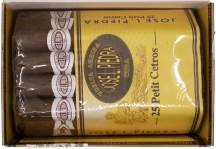
| Attribute | Measurement |
|---|---|
| Factory Name | Petit Cetros JLP |
| Ring Gauge | 38 |
| Length | 127 mm (5 inches) |
| Official Weight | 6.32 grams |
| Construction | Handmade, short-filler |
Packaging and Presentation
The Petit Cetros appeared in three distinct packaging configurations throughout its production run:
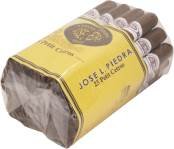
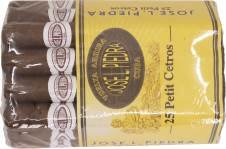
- Cellophane Bundle of 25 Cigars: The original 1996 presentation format, which remained available until 2009.
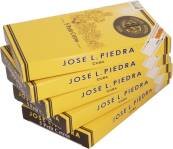
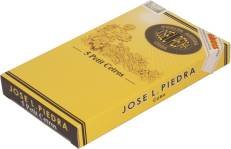
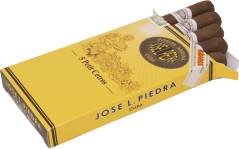
- Cardboard Pack of 5 Cigars: Introduced with the 1996 launch and continued until the 2017 discontinuation.
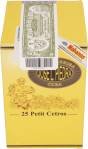
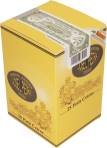
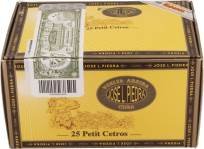
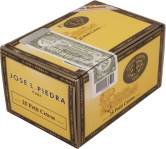
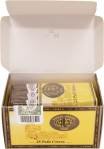
- Cardboard Box of 25 Cellophane-Bundled Cigars: A later packaging option that debuted in 2009 and concluded in 2017.
All versions featured the standard José L. Piedra bands designated as types A, B, and C, maintaining visual consistency across the brand's portfolio.
Legacy
The Petit Cetros embodied the José L. Piedra philosophy of delivering genuine Cuban tobacco at an approachable price point. Its compact five-inch length paired with a 38 ring gauge made it suitable for shorter smoking sessions, while the short-filler construction kept costs reasonable for everyday enjoyment. Though no longer officially in production, this vitola remains a point of interest for collectors and those exploring the broader landscape of Cuban cigar history.