

José L. Piedra Cremas

The José L. Piedra Cremas represents an accessible entry point into the world of Cuban cigars, offering enthusiasts a handmade smoke at a modest price point. Originally introduced in 1996, this vitola served as a staple in the José L. Piedra lineup for over two decades before its official discontinuation in 2017. Despite its discontinued status, production continued well into late 2022, making this cigar a fascinating case study in Cuban cigar availability.
Specifications
| Cigar Name | Cremas |
| Factory Name | Cremas JLP |
| Ring Gauge | 40 |
| Length | 136 mm (5⅜″) |
| Official Weight | 7.59 g |
| Construction | Handmade, short-filler |
Construction and Craftsmanship

The Cremas is crafted entirely by hand, though it utilizes short-filler tobacco rather than the long-filler leaves found in premium Cuban lines. This construction method allows José L. Piedra to offer a genuine handmade Cuban cigar experience while maintaining an approachable price point. The short-filler composition consists of chopped tobacco leaves, which still deliver authentic Cuban flavor characteristics.
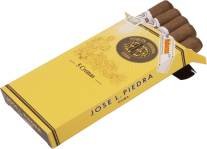
This vitola features the standard José L. Piedra band configuration, employing bands A, B, and C across its production run.
Packaging History
Throughout its production lifespan, the José L. Piedra Cremas appeared in three distinct packaging formats:
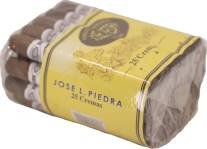
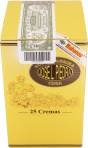
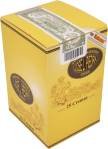
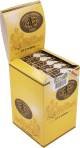
- Cellophane Bundle of 25 Cigars — The original 1996 release format, which remained available until 2009 when it was phased out.
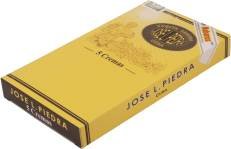
- Cardboard Pack of 5 Cigars — Introduced alongside the initial 1996 launch and continued production until the line's 2017 discontinuation.
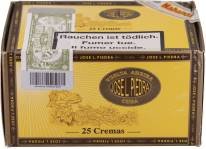
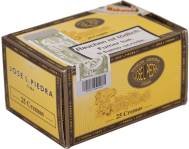
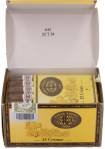
- Cardboard Box of 25 Cellophane-Bundled Cigars — A later packaging iteration that debuted in 2009 and ran until 2017.
Production Timeline
The José L. Piedra Cremas entered the market on January 1, 1996, as part of the brand's regular production offerings. While officially marked as discontinued in 2017, reports indicate that examples continued to roll off Cuban factory lines at least through late 2022. This discrepancy between official status and actual production is not uncommon in the Cuban cigar industry, where inventory movements and production decisions often create such ambiguities.