

José L. Piedra Panetelitas de Hebra
The Panetelitas de Hebra represents a fascinating chapter in the José L. Piedra portfolio, offering collectors and historians a glimpse into the brand's earlier production era. This handmade Cuban cigar was part of the regular production lineup before being discontinued during the 1970s, making it a sought-after piece for those interested in pre-revolutionary and early post-revolutionary Cuban tobacco history.
Historical Background

Released prior to 1960, the Panetelitas de Hebra emerged during a transformative period for the Cuban cigar industry. The José L. Piedra brand, established by the Piedra family, maintained strong ties to Spanish cigar enthusiasts, and this particular vitola served the market for well over a decade before its retirement in the 1970s.
Specifications
| Attribute | Details |
|---|---|
| Factory Name | Unknown |
| Ring Gauge | 30 |
| Length | 111 mm (4⅜ inches) |
| Official Weight | 3.68 grams |
| Construction | Handmade |
| Band Type | Early Type 4 |
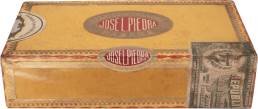
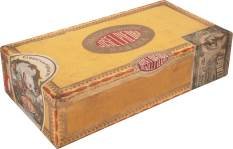
| Packaging | Dress box of 25 cigars |
| Release Date | Pre-1960 |
| Status | Discontinued (1970s) |
Construction and Presentation
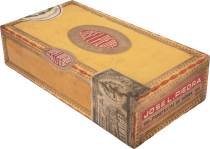
As a handmade creation, the Panetelitas de Hebra reflected the traditional Cuban craftsmanship that defined the era. The cigar featured an early Type 4 band design, distinguishing it from later band variations and providing collectors with a useful authentication marker. The dress box packaging, containing 25 cigars, presented these slender vitolas in an elegant format typical of the period's premium offerings.
Vitola Profile
With a slender 30 ring gauge and a length of 111 millimeters, this cigar embodied the classic panetela style favored by many traditional smokers. The dimensions suggest a smoking experience that would deliver focused flavors with a longer combustion time relative to its girth. At 3.68 grams, the Panetelitas de Hebra maintained the weight characteristics expected of its format.
Collectibility
Given its discontinuation in the 1970s and pre-1960 introduction, the Panetelitas de Hebra has become increasingly rare in the secondary market. Surviving examples, particularly those with intact early Type 4 bands, represent significant finds for serious Cuban cigar collectors and historians documenting the evolution of the José L. Piedra marque.