

Siboney Coronitas Tip No.4
The Siboney Coronitas Tip No.4 represents a bygone era of Cuban cigar production, existing as a discontinued regular production vitola that enjoyed a relatively brief but notable presence in the market. This small-format cigar offers collectors and enthusiasts a glimpse into mid-20th century Cuban cigar craftsmanship.
History and Production Timeline

The Coronitas Tip No.4 entered the market during the 1950s, with its official release dated to approximately 1950. The cigar remained in production for roughly a decade before being discontinued in the early 1960s. This relatively short production window has made surviving examples increasingly scarce among collectors.
Specifications

| Cigar Name | Coronitas Tip No.4 |
| Factory Name | Chicos |
| Ring Gauge | 29 |
| Length | 106 mm (4⅛″) |
| Official Weight | 3.00 g |
| Construction | Handmade |
| Band | Standard band A |
Construction and Presentation
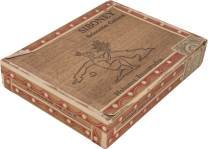
As a handmade cigar, the Coronitas Tip No.4 exemplified the traditional Cuban approach to cigar crafting. The vitola featured the Standard band A design, consistent with the Siboney brand's visual identity during this period.
The cigar was presented in dress boxes containing 25 cigars, each individually wrapped in cellophane for protection and preservation. This packaging format reflected the premium positioning of the Siboney brand within the Cuban cigar portfolio.

Vitola Characteristics
The "Chicos" factory name designates this as a small-format cigar, which is confirmed by its slender 29 ring gauge and modest 106 mm length. Weighing just 3.00 grams, the Coronitas Tip No.4 was designed for a shorter smoking experience, making it suitable for occasions when time constraints prevented enjoyment of a larger vitola.
Collectibility
Given its discontinuation in the early 1960s and the passage of more than six decades since production ceased, the Siboney Coronitas Tip No.4 has become a sought-after piece for serious Cuban cigar collectors. The limited production window and the brand's eventual discontinuation contribute to its historical significance and rarity in the contemporary market.