

Siboney Coronas Tip No.2
The Siboney Coronas Tip No.2 represents a fascinating chapter in Cuban cigar history, belonging to the brand's regular production lineup during the mid-20th century. This handmade cigar has long since ceased production, leaving collectors and enthusiasts to seek out surviving examples from a bygone era of Cuban tobacco craftsmanship.
Historical Background

The Coronas Tip No.2 entered the market during the 1950s, with its release generally dated to approximately 1950. This period marked a significant time in Cuban cigar production, when numerous brands were establishing their portfolios with distinctive vitolas. The cigar enjoyed a relatively brief production run, being discontinued in the early 1960s as the Cuban cigar industry underwent substantial changes.
Specifications
| Vitola Name | Coronas Tip No.2 |
| Factory Name | Unknown |
| Ring Gauge | 35 |
| Length | 120 mm (4¾ inches) |
| Official Weight | 3.97 grams |
| Construction | Handmade |
| Band | Standard band A |
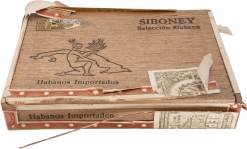
Construction and Presentation
As a handmade cigar, the Coronas Tip No.2 exemplified the traditional Cuban approach to cigar making, with each piece carefully crafted by skilled torcedores. The cigar featured the brand's standard "A" band design, providing a classic and recognizable presentation consistent with the Siboney identity of the era.
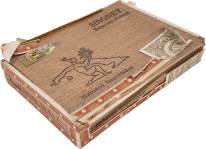
Packaging Options
The Coronas Tip No.2 was available in two dress box configurations:
- Dress box containing 25 cigars, each wrapped in cellophane
- Dress box containing 100 cigars, each wrapped in cellophane
The individual cellophane wrapping provided protection and helped preserve the cigars' condition, a practice common during this production period.
Collectibility and Legacy
With production spanning little more than a decade, the Siboney Coronas Tip No.2 has become a notable item among collectors of vintage Cuban cigars. Its relatively short production window and the passage of time since its discontinuation make surviving examples increasingly rare and sought after by those interested in experiencing the flavors of pre-embargo and early post-revolution Cuban tobacco.