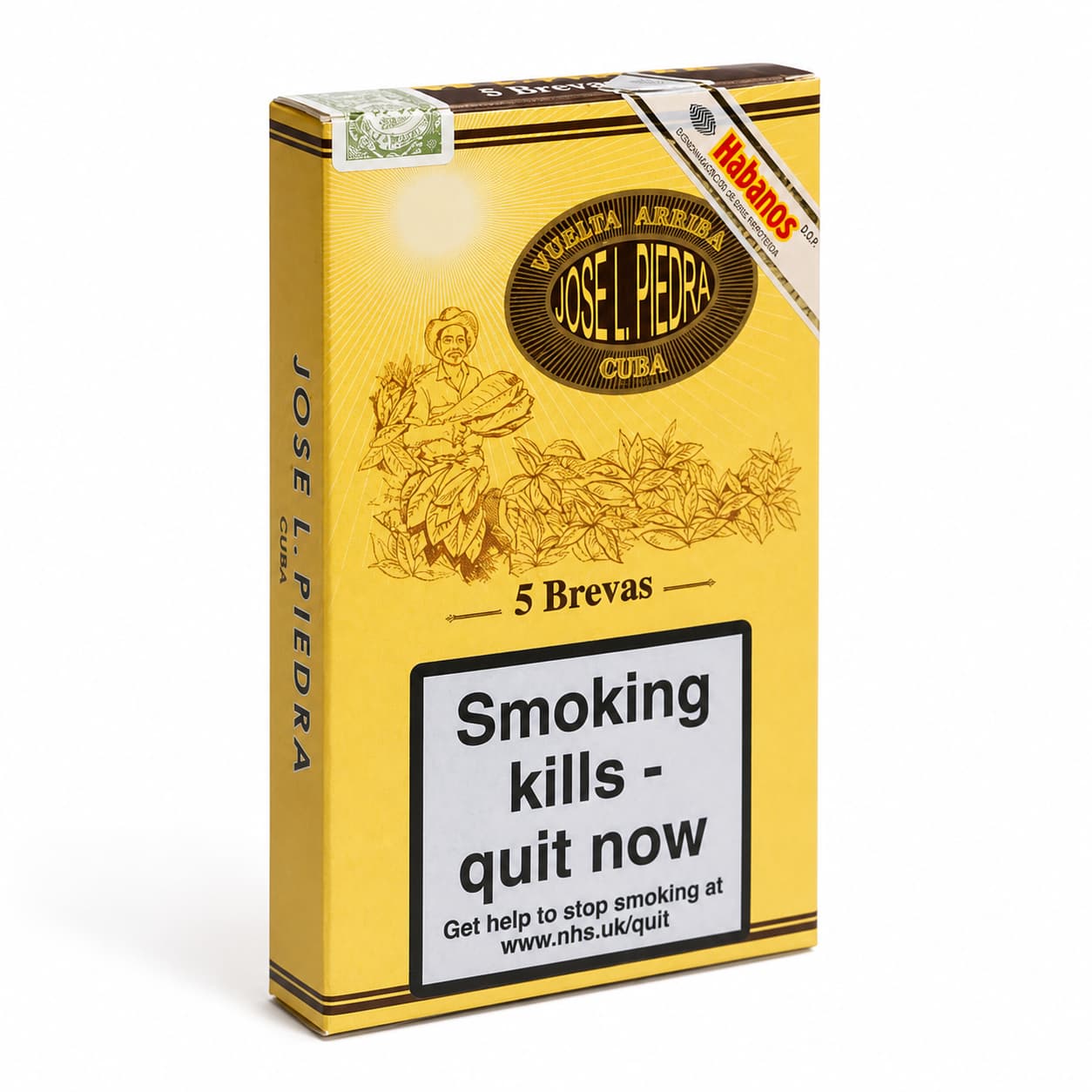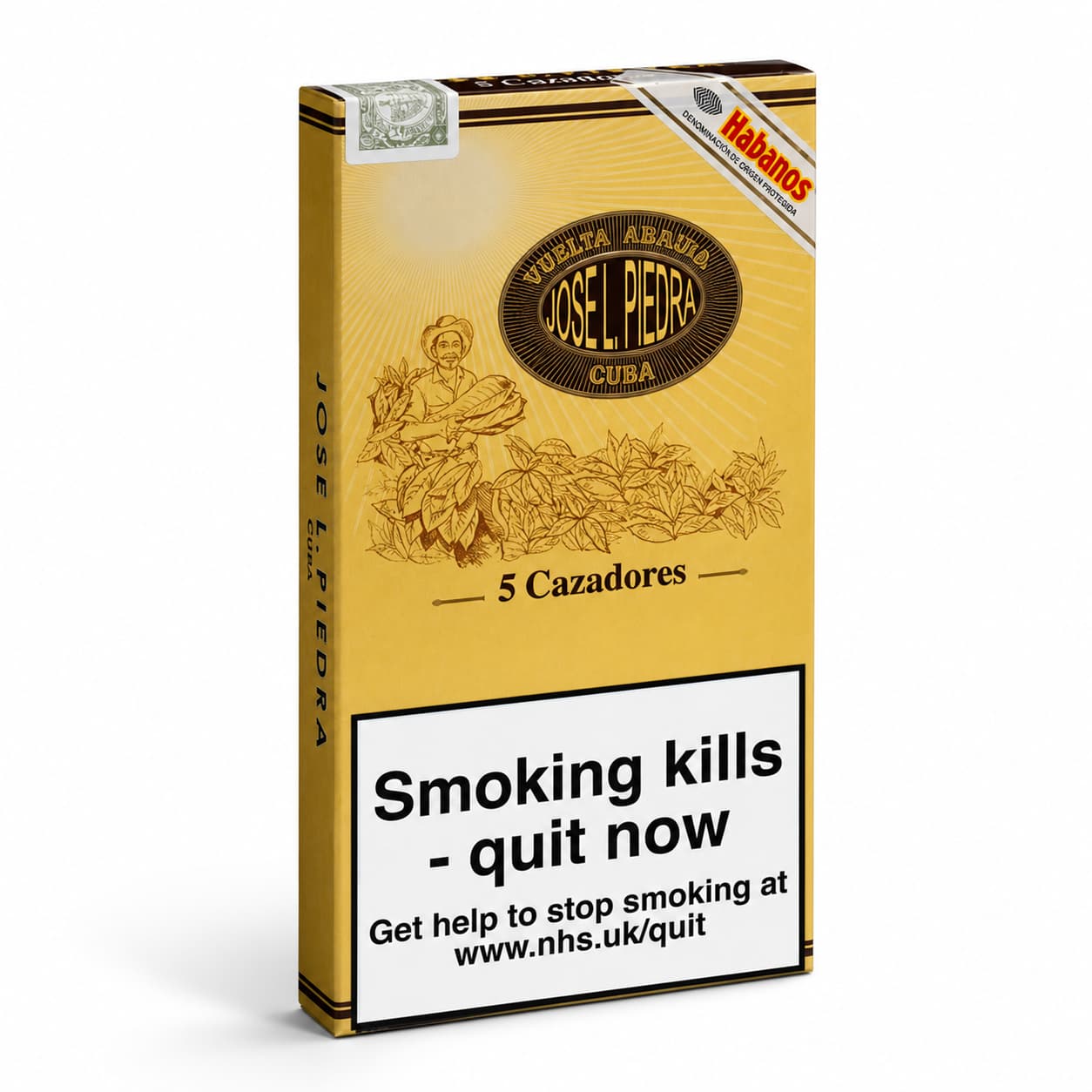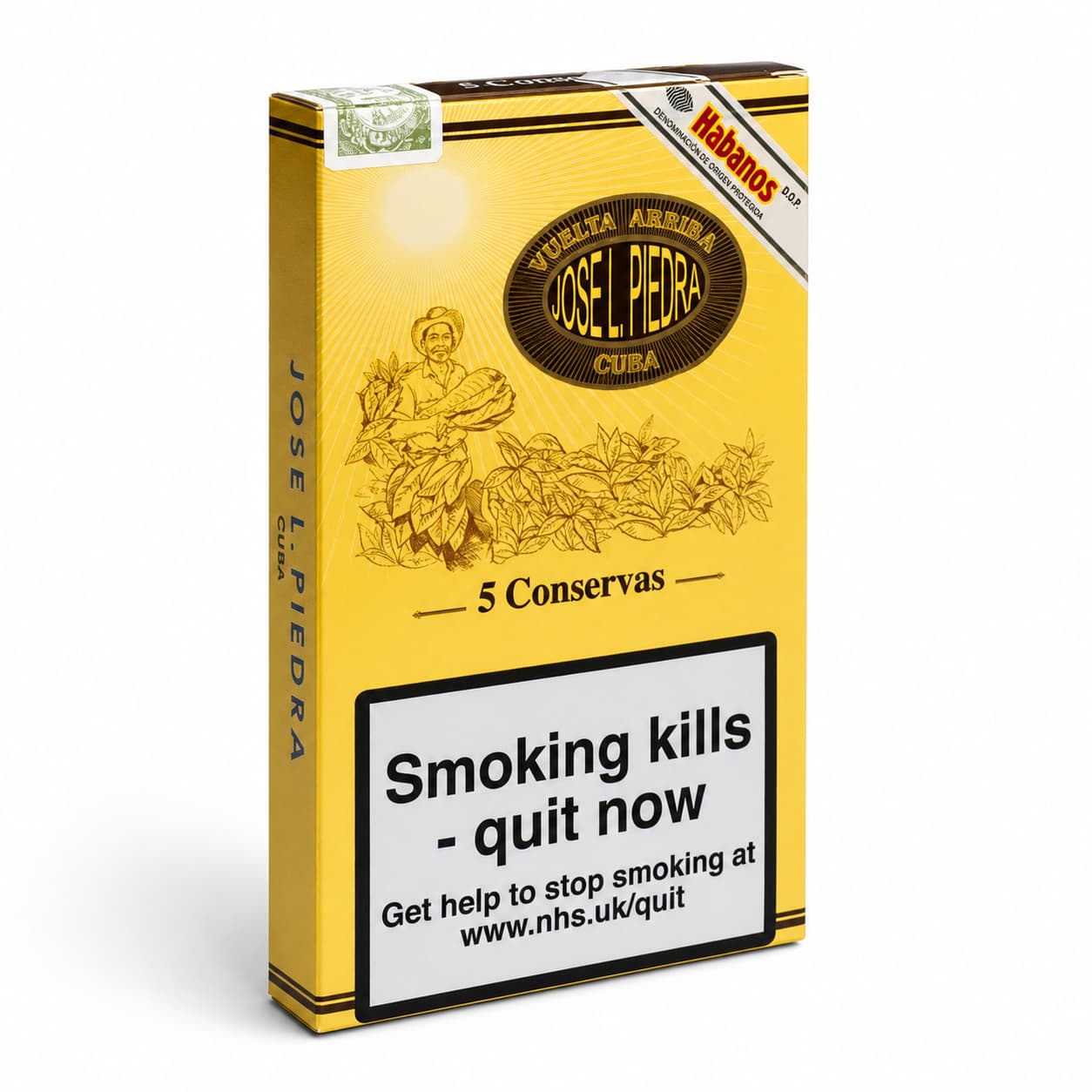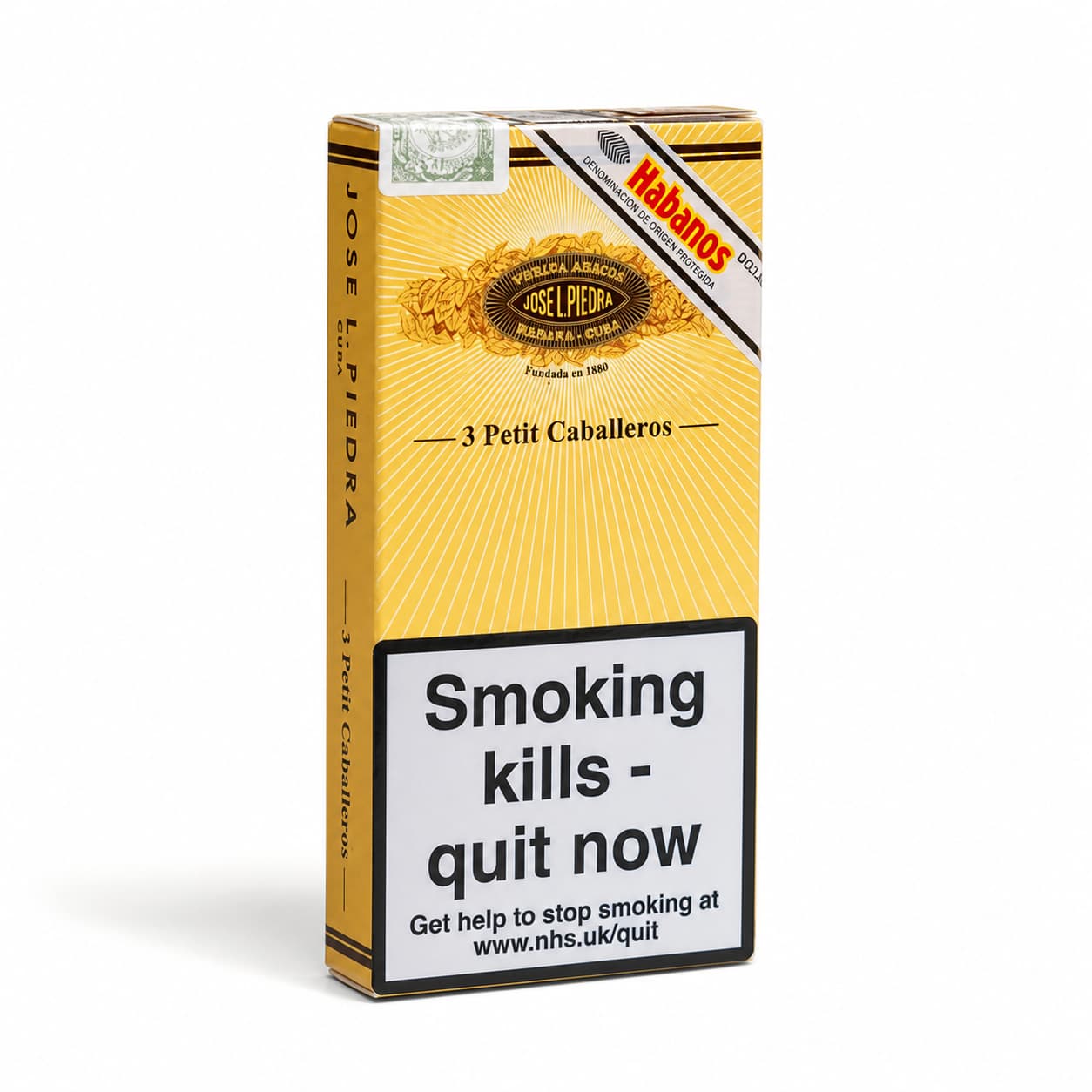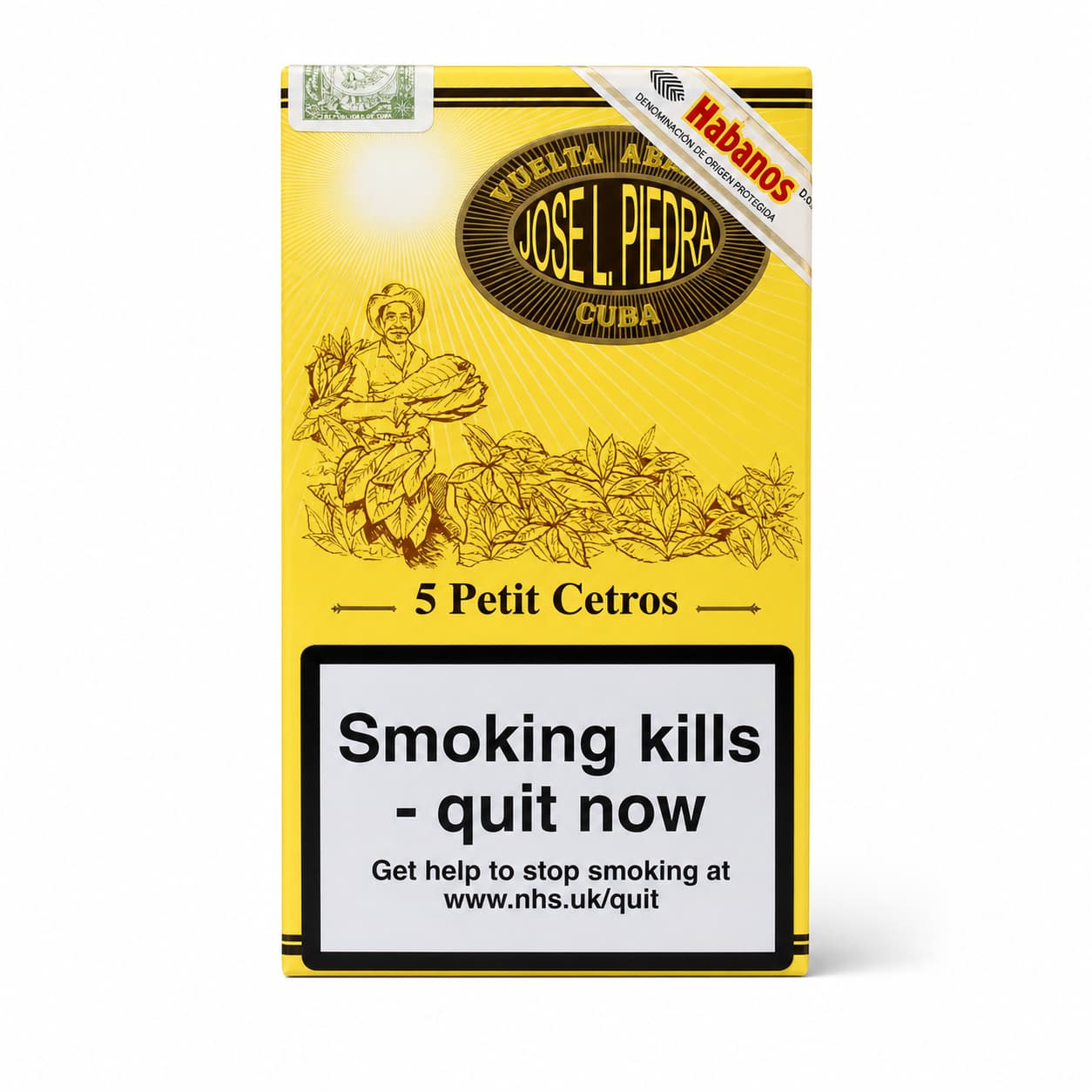

Jose L Piedra Petit Cetros
Jose L. Piedra Petit Cetros






At a glance
Jose L Piedra Petit Cetros
There's a certain honesty in tobacco that hasn't been polished into submission—the kind of unvarnished character that reminds you Cuban cigars were born in soil, not marketing meetings. The Jose L. Piedra Petit Cetros carries exactly that spirit: a short-filler cigar from the Remedios region that delivers raw, authentic Cuban character without pretense. For those who've grown weary of hyperbole surrounding limited editions and numbered releases, this modest Petit Cetros offers something increasingly rare—a genuine smoking experience that prioritizes flavor over fanfare.
Specifications
| Attribute | Details |
|---|---|
| Vitola | Petit Cetros |
| Ring Gauge | 38 |
| Length | 127mm (5.0") |
| Factory | Jose L. Piedra, Remedios |
| Strength | Medium |
| Wrapper | Cuban (specific varietal unspecified) |
| Box Count | Pack of 5, Bundle of 25 |
The Story Behind the Cigar
The Jose L. Piedra brand carries one of the most compelling origin stories in Cuban cigar history—a narrative of Spanish immigrant ambition, family enterprise, and eventual nationalization that spans over a century. Founded by José Lamadrid Piedra in the late 1800s, the brand established itself in the Remedios region, an area known for producing tobacco with a distinctly different character than the celebrated Vuelta Abajo. Remedios leaf tends toward earthier, more robust profiles—exactly the rustic personality that defines this cigar.
The Petit Cetros entered the portfolio in 1996, initially as a machine-made offering before transitioning to handmade production around 2002. This shift to *tripa corta*—short-filler construction using chopped tobacco leaves—represents an important distinction. Rather than the long-filler leaves found in premium cigars, short-filler allows for a different combustion dynamic, often producing a more immediate, direct flavor delivery. The Petit Cetros was officially discontinued in 2017, though production continued for certain markets through at least 2022, making remaining inventory a genuine piece of Cuban cigar history.
What makes the Petit Cetros culturally significant is precisely what some might consider its limitation: it represents the working-class Cuban cigar tradition. While brands like Cohiba and Trinidad were cultivated for diplomatic gifts and international prestige, Jose L. Piedra served the domestic Cuban market and budget-conscious international smokers. This is the cigar a tobacco farmer might reach for after a day in the fields—uncompromised in its Cuban identity, straightforward in its presentation, and honest in its construction.
The Tasting Experience
First Light
The opening establishes the Petit Cetros' unapologetic character immediately. Raw tobacco takes center stage—that distinctive, slightly feral quality of leaf that hasn't been extensively aged or refined into submission. Earth notes emerge with conviction, carrying the dusty, mineral quality of Remedios soil. There's a subtle pungency here, not unpleasant but assertive, like walking into a curing barn where tobacco leaves hang in their final stages of fermentation. The draw offers mild resistance appropriate to the 38 ring gauge, and the burn establishes itself as serviceable rather than flawless.
The Journey
The second third deepens the narrative without fundamentally altering it. The earthiness intensifies slightly, taking on leather-like qualities—the well-worn saddle leather of actual use rather than the polished leather notes found in more expensive cigars. A faint grassiness weaves through the profile, suggesting younger tobacco in the blend, which aligns with the short-filler construction's typical characteristics. The pungency mellows but doesn't disappear, providing a counterpoint that keeps the smoking experience from becoming monotonous. This is where the Petit Cetros reveals its honest nature: it's not trying to be something it isn't.
The Finale
The final act brings a modest intensification of strength, though the cigar remains firmly in the medium-bodied territory. The raw tobacco character persists as the dominant theme, joined by a white pepper prickle that surfaces on the retrohale. The earth notes take on a drier quality, reminiscent of cured hay and dried herbs. Construction-wise, the burn may require occasional attention—a small price for the authenticity on offer. The finish carries a lingering tobacco sweetness that tempers the rustic qualities, leaving an impression of genuine Cuban character rather than sophisticated refinement.
Who It's For
The Petit Cetros suits the smoker who values authenticity over prestige—the kind of aficionado who'd rather smoke something real than something famous. It's ideal for a weekday evening when time constraints demand a 40-minute experience but the desire for genuine Cuban character remains undiminished. This is also the cigar for introducing newcomers to Cuban tobacco without the intimidation factor or price barrier of marquee brands. It serves as a reminder that Cuban cigars exist because tobacco grows in Cuban soil, not because of marketing departments.
Pairing Suggestion
A dark Colombian coffee with minimal sweetness allows the Petit Cetros' raw tobacco and earth notes to express themselves fully, while the bitterness of the brew complements the cigar's rustic character. Alternatively, a straightforward amber lager—served cold and consumed slowly—mirrors the cigar's unpretentious nature while providing palate refreshment between draws.
 Traceable to factory and harvest year · Duty Free Authentic Cuban
Our Promise
Every cigar guaranteed authentic Habanos — traceable to factory and harvest, humidified, shipped duty free.
Our guarantee →
Perfect pairings

You may also like