

Sancho Panza Tronquitos
The Sancho Panza Tronquitos represents a fascinating chapter in Cuban cigar history—a handmade vitola that served as part of the brand's regular production lineup for several decades before its eventual discontinuation. This cigar offers collectors and enthusiasts a glimpse into the classic era of Cuban cigar manufacturing.
Historical Background
The Tronquitos made its debut prior to 1960, establishing itself as a staple within the Sancho Panza portfolio during the mid-20th century. The cigar enjoyed a respectable production run that spanned approximately three decades before being retired from regular production during the 1980s. Today, surviving examples are considered collectible items that showcase the traditional craftsmanship of their era.

Specifications
| Cigar Name | Tronquitos |
| Factory Name | Coronas |
| Ring Gauge | 42 |
| Length | 142 mm (5⅝″) |
| Official Weight | 9.29 g |
| Construction | Handmade |
| Bands | Standard band A, B |
| Packaging | Tree-branch humidor of 25 cigars |
| Status | Discontinued (1980s) |
Construction and Presentation
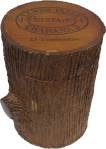
As a fully handmade cigar, the Tronquitos embodied the skilled artistry that defined Cuban cigar production during its era. The vitola featured the standard Sancho Panza band configuration, utilizing both the A and B band designs that collectors associate with the brand's classic presentation.
The cigar was notably offered in an distinctive tree-branch humidor containing 25 cigars—a packaging choice that reflected the attention to presentation that characterized premium Cuban releases of the period.
Format and Smoking Experience
The Tronquitos measured 142 millimeters (5⅝ inches) in length with a 42 ring gauge, placing it firmly in the Coronas category by factory classification. This format would have delivered a moderate smoking time suitable for those seeking a classic Cuban experience without the extended commitment required by larger formats.
Legacy
Though no longer in production, the Sancho Panza Tronquitos remains an interesting reference point for understanding the evolution of the Sancho Panza brand and the broader landscape of Cuban cigar offerings during the mid-20th century. The discontinuation of this vitola in the 1980s marked the end of an era for what had been a longstanding presence in the regular production lineup.