

Punch Super Selection No.2
The Punch Super Selection No.2 represents a significant chapter in the storied history of the Punch brand. This Cuban cigar, now discontinued, was once a staple of regular production and remains a sought-after find for collectors and enthusiasts who appreciate classic Havana craftsmanship.

Historical Background
The Super Selection No.2 boasts a heritage that predates 1960, placing it among the more established vitolas in the Punch portfolio. For over four decades, this cigar maintained its place in the brand's regular lineup until its discontinuation in 2002. Its lengthy production run speaks to its enduring popularity among smokers who favored the Punch profile in a traditional format.
Specifications
| Attribute | Details |
|---|---|
| Cigar Name | Super Selection No.2 |
| Factory Name | Coronas Gordas |
| Ring Gauge | 46 |
| Length | 143 mm (5⅝″) |
| Official Weight | 11.41 g |
| Construction | Handmade |
| Status | Discontinued |
Construction and Presentation
True to traditional Cuban cigar-making practices, the Punch Super Selection No.2 was entirely handmade. The vitola falls into the Coronas Gordas category, offering smokers a substantial smoking experience with its 46 ring gauge and nearly five-and-five-eighths inches of length.
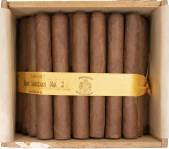
Notably, this release was presented without a band, a characteristic that distinguished it from many of its Punch counterparts. This minimalist approach to presentation emphasized the cigar's traditional roots and allowed the wrapper leaf to take center stage.
Packaging
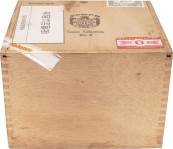
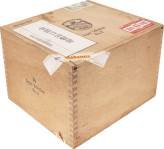
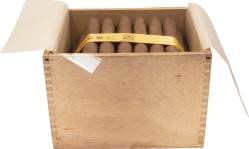
The Super Selection No.2 was originally packaged in slide lid boxes containing 50 cigars. This classic presentation format was favored by many Cuban manufacturers during the cigar's production era and remains emblematic of traditional Cuban cigar packaging.
Collectibility
Since its discontinuation in 2002, the Punch Super Selection No.2 has become increasingly difficult to find. Well-preserved examples from this production period are prized by collectors, particularly those with an interest in pre-1960 vitolas that maintained production into the modern era.