

Partagás Privados
The Partagás Privados stands as a notable entry in the storied history of one of Cuba's most celebrated cigar brands. This discontinued vitola represents an era when Partagás offered an extensive portfolio of shapes and sizes to satisfy the varied preferences of discerning cigar enthusiasts worldwide.
Historical Background

The Privados entered the market prior to 1960, making it one of the older offerings in the Partagás catalog. During its production run, the cigar built a reputation among aficionados who appreciated its particular dimensions and smoking characteristics. Production continued through several decades before the vitola was ultimately discontinued during the 1980s, marking the end of an era for this classic format.
Vitola Specifications

| Attribute | Specification |
|---|---|
| Factory Name | Coronas |
| Ring Gauge | 42 |
| Length | 142 mm (5⅝″) |
| Official Weight | 9.29 g |
| Construction | Handmade |
Band and Presentation
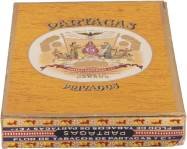
The Privados featured Partagás's standard band A, consistent with the brand's traditional presentation. This classic band design has become instantly recognizable to cigar enthusiasts and represents the heritage and prestige associated with the Partagás name.
Packaging Options
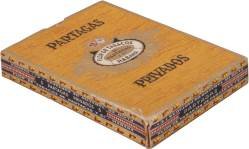
During its production period, the Privados was available in two distinct packaging configurations:
- Cardboard pack containing 5 cigars, each housed in individual aluminium tubes
- Dress box of 25 cigars, also presented in aluminium tubes
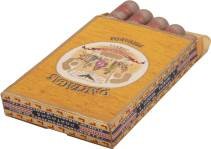
The aluminium tube packaging provided excellent protection for the cigars while offering convenience for travelers and those seeking single-serving options from larger boxes.
Legacy and Collectibility
As a discontinued regular production cigar with origins predating the Cuban Revolution, the Partagás Privados has become a sought-after item among collectors and historians of Cuban tobacco. Those fortunate enough to encounter well-preserved examples today are experiencing a genuine piece of cigar history from one of Havana's most prestigious factories.