

Partagás Mille Fleurs

The Partagás Mille Fleurs stands as one of the most enduring offerings from the legendary Partagás brand, a cigar with roots stretching back to before 1960. This petite corona has undergone a significant transformation throughout its history, having originally been produced as a machine-made cigar until approximately 2002, when it transitioned to fully handmade construction. Today, it remains an active part of Partagás's regular production lineup.


Vitale Specifications
| Factory Name | Petit Coronas |
| Ring Gauge | 42 |
| Length | 129 mm (5⅛″) |
| Official Weight | 8.46 g |
| Construction | Handmade |
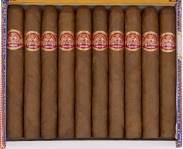
| Bands | Standard band A and B |

Packaging Options
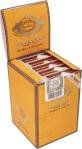
The Mille Fleurs is available in several presentation formats to suit different preferences:

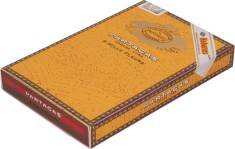
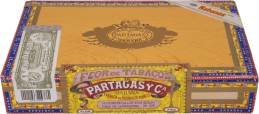
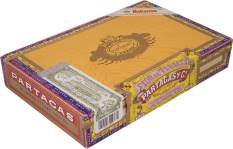
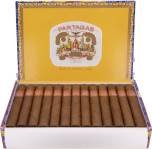
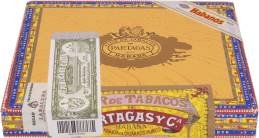
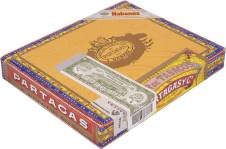
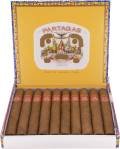
- Dress box of 10 cigars
- Dress box of 25 cigars
- Dress box of 10 cigars in cellophane
- Dress box of 25 cigars in cellophane
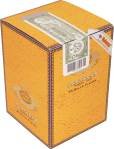
- Display box of 25 cigars, packaged in 5 cardboard packs of 5 cigars each
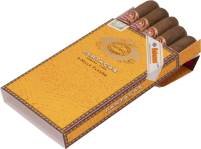
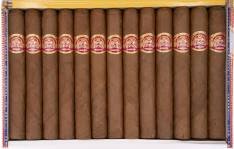
Flavor Profile and Tasting Notes
Based on 111 enthusiast reviews, the Partagás Mille Fleurs earns an overall rating of 3.41 out of 5, positioning it as a solid middle-ground offering that delivers consistent satisfaction without overwhelming complexity.
The cigar's character is defined primarily by peppery notes, which emerge as the most frequently cited flavor. Leather and spice follow as secondary pillars of the taste experience, while wood undertones provide structure. More subtle nuances include cocoa, earth, sourdough, raw tobacco, and a distinctive twang that several reviewers noted. Occasional detections of baking spice, cedar, chocolate, cinnamon, and floral elements round out the profile.
Performance Ratings
| Attribute | Score (out of 5) |
| Elegance | 2 |
| Balance | 3 |
| Strength | 3 |
| Complexity | 2 |
| Aftertaste | 3 |
| Overall | 3.41 |
Historical Context
The Mille Fleurs represents a fascinating piece of Cuban cigar history. Released prior to 1960, it has remained in continuous production for over six decades. Its evolution from machine-made to handmade production around 2002 marks an important chapter in its story, reflecting the industry's broader shift toward artisanal craftsmanship. The transition has allowed this classic vitola to develop greater nuance and character while maintaining the accessible profile that has kept it in regular production for so many years.