

Dunhill Malecon
The Dunhill Malecon stands as a notable entry in the discontinued catalog of Cuban cigars from the prestigious Dunhill brand. Introduced to the market in 1982, this regular production cigar enjoyed a relatively brief but memorable run before being discontinued in 1991. During its decade of availability, the Malecon earned appreciation from cigar enthusiasts who valued its classic Cuban construction and the refined reputation associated with the Dunhill name.

Specifications
| Name | Malecon |
| Factory Name | Cervantes |
| Ring Gauge | 42 |
| Length | 165 mm (6½″) |
| Official Weight | 10.80 g |
| Construction | Handmade |
| Band | Standard band A |
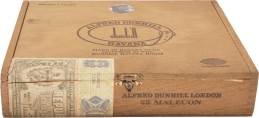
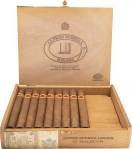
| Packaging | Semi boîte nature box of 25 cigars |
| Status | Discontinued |
| Production Period | 1982 – 1991 |
Construction and Presentation

True to the standards of Cuban cigar craftsmanship, the Malecon was entirely handmade, reflecting the traditional techniques that have made Cuban cigars world-renowned. The cigar featured the Standard band A design, consistent with the elegant and understated aesthetic that Dunhill cultivated across its cigar portfolio.
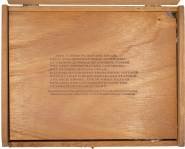
The vitola was presented in semi boîte nature boxes containing 25 cigars, a packaging choice that allowed for proper aging while showcasing the natural beauty of the cigar wrappers. This presentation style appealed to both collectors and connoisseurs who appreciated the classic approach to cigar storage and display.
Historical Significance
The Malecon entered production on January 1, 1982, joining the Dunhill lineup during a period when the brand was establishing itself as a serious player in the premium Cuban cigar market. The cigar remained in production for approximately nine years before being discontinued in 1991, making it a relatively short-lived but significant release in the broader history of Dunhill's Cuban cigar offerings.
Today, the Dunhill Malecon exists as a collectible piece of Cuban cigar history, sought after by enthusiasts who appreciate the legacy of Dunhill's partnership with Cuban tobacco and the distinctive character of cigars from this production era.