

Bolívar Ideales de Bolívar
The Bolívar Ideales de Bolívar represents a fascinating chapter in the storied history of the Bolívar brand. This discontinued Cuban cigar was once part of the regular production lineup, offering aficionados a classic smoking experience that has since become a piece of cigar history.

Historical Background
The Ideales de Bolívar was released prior to 1960, placing it among the earlier offerings from this prestigious Havana brand. The cigar remained in production until 1970, when it was discontinued. This relatively short production window has made surviving examples particularly sought after by collectors and historians of Cuban tobacco.
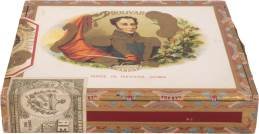
Named after Simón Bolívar, the legendary South American liberator, the Bolívar brand has long been associated with full-bodied, robust cigars. The Ideales de Bolívar carried forward this tradition during its decade of availability.
Specifications
| Cigar Name | Ideales de Bolívar |
| Factory Name | Unknown |
| Ring Gauge | 36 |
| Length | 161 mm (6⅜″) |
| Official Weight | 7.59 g |
| Construction | Handmade |
| Band | Standard band A |
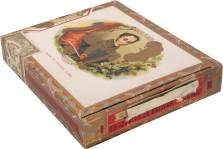
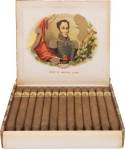
| Packaging | Dress box of 25 cigars |
| Status | Discontinued (1970) |
Format and Presentation
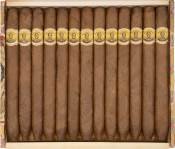
The Ideales de Bolívar featured a slender 36 ring gauge coupled with an impressive length of 161 millimeters. This combination created an elegant, elongated format that would have provided a lengthy and contemplative smoking experience. The cigar was presented in dress boxes containing 25 units, adorned with the standard Bolívar band A designation.
As a fully handmade cigar, the Ideales de Bolívar represented the traditional Cuban craftsmanship that defined the era. Each cigar was carefully rolled by skilled torcedores, reflecting the dedication to quality that Bolívar has maintained throughout its history.
Legacy
Though no longer in production, the Ideales de Bolívar remains an important reference point for understanding the evolution of the Bolívar brand portfolio. Its discontinuation in 1970 marked the end of a distinctive vitola that captured the spirit of mid-century Cuban cigar making.